Rebuilding After Wildfires in Los Angeles County
Wildfires have wreaked havoc on countless homes and businesses across Los Angeles County, leaving property owners struggling to...
Read more

 Contact Us Now


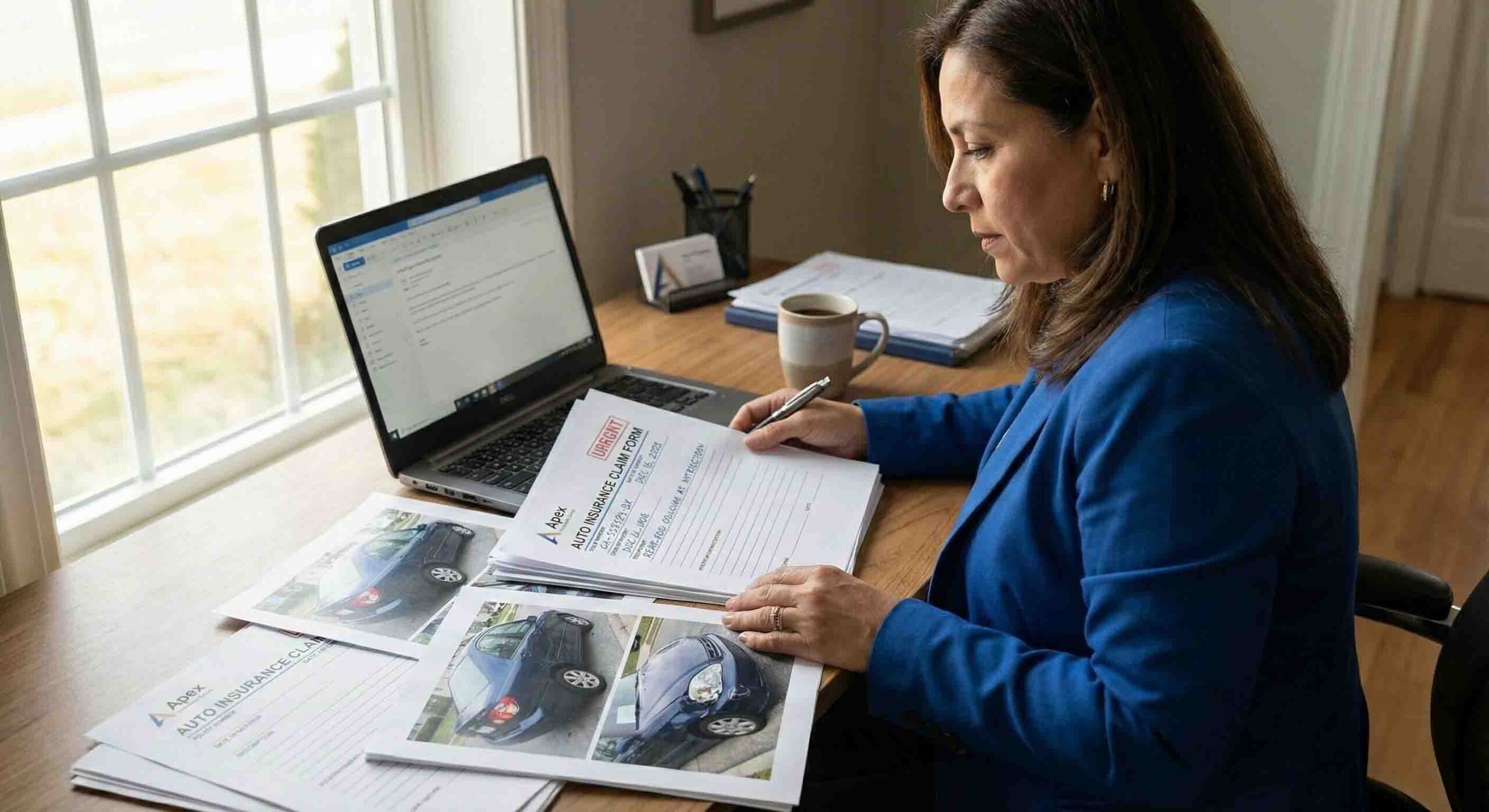
If you’ve been injured in a car accident in Fallbrook or anywhere in California, you’ll quickly discover that dealing with insurance companies is one of the most frustrating aspects of the recovery process. Despite what their advertising suggests, insurance companies are not “on your side” or “like a good neighbor.” They are for-profit businesses with one primary objective: minimizing claim payouts to maximize their bottom line.
Understanding how insurance companies operate, the tactics they use to devalue claims, and how to protect yourself during the claims process is essential to recovering fair compensation. As a Fallbrook car accident attorney, I’ve spent years negotiating with insurance adjusters and fighting their attempts to shortchange injury victims. Let me share what you need to know to level the playing field.
The fundamental truth about insurance companies that many accident victims don’t realize is this: every dollar they pay you is a dollar that doesn’t go to their shareholders. Insurance companies are publicly traded corporations answerable to Wall Street, and their stock prices depend on profitability. The less they pay in claims, the more profitable they appear to investors.
This creates an inherent conflict of interest. While you’re trying to recover fair compensation for your injuries, medical bills, lost wages, and pain and suffering, the insurance company is trying to pay as little as possible—ideally nothing at all. Their adjusters are trained professionals whose job performance is evaluated based on how much money they save the company by denying or minimizing claims.
Understanding this reality helps you approach insurance negotiations with appropriate caution. The friendly adjuster who calls expressing concern for your wellbeing has quotas to meet and bonuses tied to keeping claim payouts low. Don’t mistake professionalism for genuine concern or assume they’ll treat you fairly simply because you’ve been paying premiums for years.
Insurance companies have refined their claim-minimization strategies over decades. Recognizing these tactics helps you avoid falling victim to them.
The Quick Settlement Offer
One of the most common tactics is contacting you within days of the accident with a settlement offer. The adjuster will sound sympathetic and suggest they want to “help you move forward quickly” by resolving your claim right away. They may even present the offer as generous.
In reality, these quick settlements are almost always far below what your claim is actually worth. The insurance company knows you’re likely facing financial pressure from medical bills and lost income, and they exploit this vulnerability. They’re betting you’ll accept fast money rather than waiting for a fair evaluation of your injuries.
The problem is that many accident injuries don’t become fully apparent for days or weeks. That whiplash might develop into chronic pain requiring months of treatment. That “minor” concussion might have lasting cognitive effects. By accepting an early settlement, you forfeit your right to additional compensation even if your injuries turn out to be far more serious than initially believed.
I recently represented a Fallbrook client who was offered $8,500 just three days after a rear-end collision on Highway 76. She was tempted to accept because she needed money for medical bills. Fortunately, she consulted with us first. After several months of treatment revealed she needed surgery for herniated discs, we ultimately recovered $275,000—more than 32 times the initial offer. Had she accepted that first offer, she’d have been responsible for hundreds of thousands in medical expenses with no recourse.
Recorded Statements Designed to Trap You
Shortly after the accident, an insurance adjuster will call requesting a “recorded statement” about what happened. They’ll frame this as a routine formality and suggest it will help process your claim faster. What they don’t tell you is that this recorded statement is designed to get you to say things that can be used against you later.
Adjusters are trained in techniques to elicit damaging statements. They might ask seemingly innocent questions designed to minimize your injuries: “So you’re feeling better now?” “You were able to drive home from the accident?” “This is your first accident, so you must have been pretty shaken up—could you have been confused about what happened?”
Any casual statement you make can be weaponized. If you say you’re “fine” when the adjuster asks how you’re doing (a natural social response), they’ll later argue you weren’t seriously injured. If you mention that you went to work the day after the accident, they’ll claim your injuries couldn’t have been significant. If you’re uncertain about any detail of how the accident occurred, they’ll use that uncertainty to argue you might have been at fault.
In California, you’re only required to give a recorded statement to your own insurance company, and even then, you should be careful about what you say. You’re under no obligation to give a recorded statement to the other driver’s insurance company, and I strongly advise against doing so without legal representation.
Requesting Excessive Medical Records and Authorizations
Insurance companies often request blanket medical record authorizations that give them access to your entire medical history going back years or even decades. They claim this is necessary to evaluate your claim, but their real goal is to search for any pre-existing condition or prior injury they can blame for your current symptoms.
Did you see a chiropractor five years ago for minor back pain? They’ll argue your current back injury is pre-existing and unrelated to the accident. Did you have anxiety or depression in your medical history? They’ll claim your emotional distress from the accident is actually a pre-existing psychiatric condition.
California law doesn’t require you to provide unlimited access to your medical history. You’re only required to provide records relevant to the injuries you’re claiming resulted from the accident. An experienced attorney can help you determine what records are appropriately discoverable and protect your privacy regarding unrelated medical conditions.
Surveillance and Social Media Monitoring
Insurance companies routinely hire private investigators to conduct surveillance on claimants, particularly in cases involving significant damages. These investigators will photograph and video you going about daily activities, looking for any activity that seems inconsistent with your claimed injuries.
Even more commonly, insurance adjusters scour social media for evidence to use against you. That Facebook post showing you smiling at a family gathering gets used to argue you’re not experiencing pain and suffering. That Instagram photo of you standing in your yard is presented as evidence you’re not as limited as you claim, even though the photo was taken during a brief good moment and doesn’t show the hours of pain that followed.
This isn’t paranoia—it’s standard insurance company practice. I’ve had cases where adjusters present social media posts from clients at mediation, trying to undermine their credibility. The safest approach is to make all social media accounts private and avoid posting anything about your accident, injuries, or activities while your claim is pending.

Delay Tactics
Insurance companies know that the longer they drag out the claims process, the more desperate claimants become for money. They’ll use various delay tactics including requesting unnecessary documentation repeatedly, claiming they never received documents you sent, taking weeks to respond to communications, scheduling medical examinations far in the future, and raising new questions and issues just when the claim seems close to resolution.
These delays aren’t accidental—they’re strategic. The insurance company has unlimited time and resources. Many claimants don’t, and financial pressure eventually forces them to accept inadequate settlements just to get some money.
Disputing Medical Treatment
Insurance companies frequently claim that your medical treatment was excessive, unnecessary, or unrelated to the accident. They might argue that you didn’t need physical therapy for that long, that the chiropractor visits were excessive, that the MRI wasn’t medically necessary, or that your symptoms are being exaggerated.
They’ll hire their own doctors—physicians who regularly testify for insurance companies and whose income depends on continuing to get hired by insurers—to review your records and provide opinions minimizing your injuries. These “independent medical examinations” are anything but independent.
Lowball Settlement Offers
When insurance companies finally make settlement offers, they’re typically far below the actual value of the claim. The adjuster presents the offer as reasonable or even generous, hoping you don’t know better. They may use tactics like saying “this is our final offer” (it rarely is) or claiming “this is all the policy covers” (often untrue).
If you reject the offer, they act offended and suggest you’re being unreasonable. This is psychological manipulation designed to make you doubt your own assessment and accept their offer.
Many people assume their own insurance company will treat them fairly. After all, you’ve been paying premiums faithfully, and the company should be on your side, right? Unfortunately, this assumption often proves costly.
Even when making a claim under your own policy—such as uninsured motorist coverage, underinsured motorist coverage, MedPay, or collision coverage—your insurance company’s primary objective remains minimizing payouts. The adjuster handling your claim works for the insurance company, not for you, and their loyalty is to their employer.
This creates a particularly frustrating dynamic. You’re essentially in an adversarial relationship with a company you’ve been paying to protect you. They’ll use the same tactics against you that the other driver’s insurance company would use.
In California, insurance companies owe their own policyholders a heightened duty of good faith and fair dealing. This means they must thoroughly investigate claims, communicate honestly, make reasonable settlement offers, and not unreasonably delay processing your claim. When insurance companies violate this duty, they can be held liable for bad faith—which can result in damages beyond your original claim.
However, proving bad faith requires documentation and often legal expertise. Many insurance companies calculate that policyholders won’t pursue bad faith claims, so they continue using aggressive tactics to minimize payouts.
Knowing what information you’re required to provide versus what insurance companies request but aren’t entitled to is crucial to protecting your claim.
Information You Should Provide:
To your own insurance company, you must provide basic facts about the accident (date, time, location, how it happened), information about other parties involved, notice that you’re injured and intend to make a claim, medical treatment you’re receiving (but not necessarily all historical records), and cooperation with reasonable investigation requests.
To the other driver’s insurance company, you should provide only the most basic information initially: that you were involved in an accident with their insured, that you suffered injuries, and that you’re represented by an attorney (once you’ve hired one). Let your attorney handle further communications.
Information You Should Not Provide Without Legal Counsel:
Never give recorded statements to the other driver’s insurance company. Avoid providing detailed descriptions of your injuries before you’ve completed treatment and know their full extent. Don’t grant blanket medical record authorizations. Never sign any documents without understanding their implications. And don’t discuss settlement until you’ve reached maximum medical improvement and know what your case is worth.
The recorded statement deserves special attention because it’s one of the most dangerous traps insurance companies set. They make it sound routine, casual, and helpful. In reality, adjusters receive extensive training on interview techniques designed to elicit statements that can be used to deny or minimize claims.
Here’s how these statements often go wrong: The adjuster asks how you’re feeling, and you politely say “I’m okay” or “getting better” (natural social responses). Later, they argue you admitted you weren’t seriously injured.
They ask you to describe the accident, and in the stress and confusion, you misremember a detail or express uncertainty about something. They’ll use this to argue you’re not a credible witness or that you might have contributed to causing the accident.
They ask about prior injuries or medical treatment, and you mention something you’d forgotten about or didn’t think was relevant. They’ll later claim your current injuries are actually pre-existing conditions.
They ask whether you’ve missed work, and you explain that you’ve tried to work through the pain because you can’t afford not to. They’ll argue that if you’re able to work, your injuries must not be significant.
Every word you say is recorded and can be used against you. The adjuster isn’t trying to help you—they’re building a file to justify denying or minimizing your claim. The safest approach is simple: don’t give recorded statements without legal representation.
One question I often hear is: “Do I really need an attorney to deal with insurance companies?” The answer is that you’re not legally required to have an attorney, but the practical reality is that insurance companies treat represented claimants very differently than unrepresented ones.
Studies consistently show that accident victims represented by attorneys recover significantly more compensation than those who handle claims themselves—even after accounting for attorney fees. There are several reasons for this:
Attorneys know how to accurately value claims including future damages you might not have considered. We understand the tactics insurance companies use and how to counter them. We can gather compelling evidence and expert testimony that strengthens your case. We’re not emotionally invested in the outcome the way you are, which means we can negotiate more effectively. Most importantly, insurance companies know that represented claimants are prepared to file lawsuits if necessary, which changes the settlement dynamic entirely.
When an insurance adjuster knows you have an attorney, they understand they can’t use their standard bag of tricks. They know that lowball offers will be rejected, that requests for unnecessary information will be challenged, and that delays will result in legal action. This fundamentally changes how they approach your claim.
Additionally, once you’re represented, all communication goes through your attorney. You’re protected from the recorded statement traps, the psychological manipulation, and the pressure tactics. You can focus on your medical recovery while your attorney handles the legal fight.
How do you know if an insurance company is dealing with you in bad faith? Here are warning signs:
The adjuster is pressuring you to settle quickly before you’ve completed medical treatment or had time to evaluate your injuries. They’re refusing to communicate in writing or return your phone calls. They’ve requested the same documents multiple times, claiming they never received them. They’re making settlement offers far below your actual damages with no reasonable explanation. They’re claiming coverage doesn’t exist when you know it does. They’re conducting unreasonably long investigations for straightforward claims. Or they’ve denied your claim based on reasons that don’t make sense or aren’t supported by the evidence.
If you’re experiencing any of these red flags, it’s time to consult with an attorney. What you’re experiencing may constitute insurance bad faith, which creates additional legal claims beyond your original injury claim.
If your accident occurred in Fallbrook, some local factors affect how you should approach insurance claims:
Accidents on state highways like Highway 76 or Interstate 15 may involve different insurance considerations than accidents on local streets. The San Diego County Sheriff’s Department responds to Fallbrook accidents, and their reports are typically thorough, but obtaining copies can take several weeks. Don’t delay your claim waiting for the official report—your attorney can get it for you.
Many Fallbrook residents work in other cities and may have suffered lost wages at higher rates than local wage scales. Make sure your lost income calculations accurately reflect your actual earnings. If you received treatment at Fallbrook Hospital or other local medical facilities, coordinating medical records and billing can sometimes be challenging. An attorney can help manage these administrative issues.
Additionally, many insurance companies try to use San Diego County’s relatively conservative jury verdicts as leverage in settlement negotiations, suggesting that Fallbrook cases don’t result in high verdicts. Don’t let this tactic pressure you into accepting less than you deserve.
While minor property-damage-only accidents with no injuries might be handled without an attorney, you should consult with a lawyer if:
You suffered any injury requiring medical treatment beyond a single emergency room visit. The insurance company has denied your claim or made an offer you believe is unfairly low. The accident involved significant property damage. There’s any dispute about who was at fault. Multiple parties were involved in the accident. You’ve been asked to give a recorded statement. The insurance company is delaying your claim. Your injuries will have long-term or permanent effects. You’ve missed significant time from work or have lost income. Or you’re being pressured to settle before you’ve completed treatment.
Most personal injury attorneys, including my firm, offer free consultations and work on contingency fees—meaning you pay nothing unless we recover compensation for you. There’s literally no downside to at least getting a legal opinion on what your case is worth and how to proceed.
While the best protection against insurance company tactics is hiring an attorney, here are steps you can take immediately after an accident to protect your claim:
Document everything meticulously. Take photos of all damage and injuries. Keep detailed records of all medical treatment, expenses, and how your injuries affect your daily life. Get contact information from witnesses. Report the accident to your insurance company promptly, but keep your initial report factual and brief. Don’t discuss fault, give detailed injury descriptions, or speculate about what happened.
Be very careful on social media—assume everything you post will be seen by the insurance company. Keep all correspondence with insurance companies, including notes about phone conversations. Don’t sign anything without reading it carefully and understanding what you’re agreeing to. Never accept a settlement offer without fully understanding what you’re giving up. And most importantly, don’t feel pressured to make quick decisions—take time to evaluate your options.
Insurance companies are sophisticated organizations with teams of adjusters, investigators, and lawyers working to minimize what they pay on claims. As an individual accident victim, you’re at a severe disadvantage trying to navigate this system alone.
The friendly adjuster who calls expressing concern isn’t your advocate—they work for a company whose profits depend on paying you as little as possible. The “fair” settlement offer is almost certainly less than your claim is actually worth. The requests for information and recorded statements are designed to build a case against you, not to help you.
Understanding these realities doesn’t make you cynical—it makes you informed. And being informed is the first step toward protecting yourself and recovering the compensation you deserve.
If you’re dealing with insurance companies after a car accident in Fallbrook or anywhere in North San Diego County, you don’t have to face them alone. At Lathrop Law, I have extensive experience negotiating with insurance companies and fighting their tactics to devalue claims.
Whether you’re dealing with the other driver’s insurance company or your own insurer, I can level the playing field and fight for the compensation you deserve. As a bilingual attorney, I can assist you in English or Spanish, ensuring you fully understand your rights and options.
Don’t let insurance companies take advantage of you during a vulnerable time. Contact us today for a free consultation. We work on a contingency fee basis—you pay nothing unless we recover compensation for you. Let us handle the insurance companies while you focus on your recovery.
You’ve already been through enough. Let me deal with the insurance companies for you.