Rebuilding After Wildfires in Los Angeles County
Wildfires have wreaked havoc on countless homes and businesses across Los Angeles County, leaving property owners struggling to...
Read more

 Contact Us Now


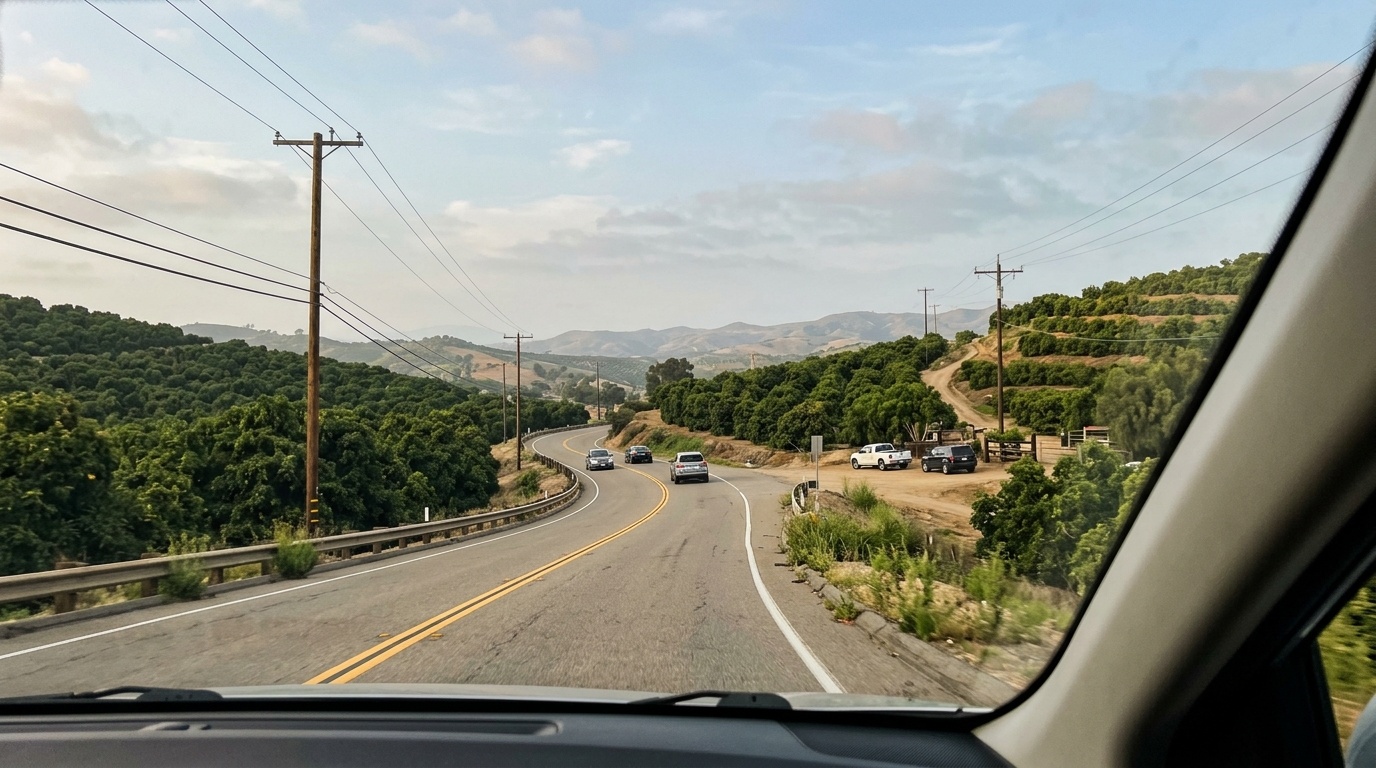
Eye injuries and vision loss from accidents represent some of the most devastating consequences of vehicle collisions, workplace incidents, and other traumatic events. A split second can transform your entire world when an accident damages your vision or causes permanent blindness. In my experience as a Fallbrook personal injury attorney, these injuries create unique challenges that affect every aspect of your life, from your ability to work and drive to your independence and quality of life.
Vision loss from accidents carries profound emotional and financial consequences. California law recognizes the severity of these injuries and provides substantial compensation for victims, but insurance companies often try to minimize these complex claims.
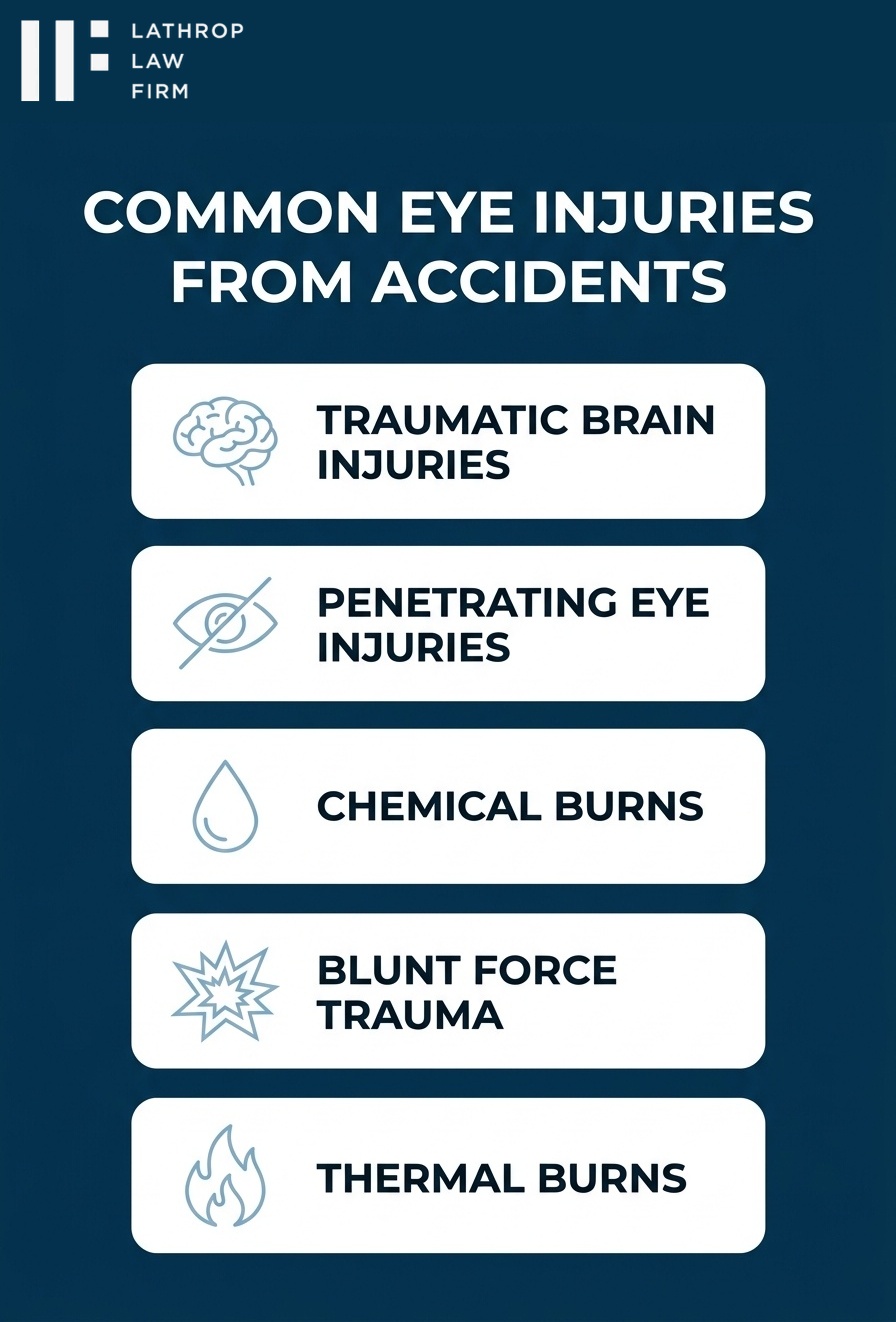
Eye injuries in accidents can range from minor irritation to complete blindness. Understanding the different types helps establish the full scope of damages you may be entitled to recover.
Traumatic Brain Injuries Affecting Vision
Head trauma from car accidents can damage the visual cortex or optic nerves, causing vision problems even when the eye itself appears uninjured. These injuries often go undiagnosed initially because victims and medical staff focus on more obvious injuries.
Penetrating Eye Injuries
Broken glass, metal fragments, and debris can puncture or lacerate the eye. Car accident cases I handle frequently involve windshield glass or flying objects that cause severe eye trauma, particularly in head-on collisions along Highway 76’s curves near Rainbow.
Chemical Burns
Vehicle fires, airbag chemicals, or exposure to hazardous materials can cause chemical burns to the eyes. These injuries require immediate medical attention and often result in permanent scarring or vision loss.
Blunt Force Trauma
Impact from airbags, steering wheels, or other objects can cause orbital fractures, retinal detachment, or damage to the eye’s internal structures. Even seemingly minor impacts can cause serious vision problems that develop over time.
Burns from Fires or Explosions
Vehicle fires or explosions can cause thermal burns to the eyelids, cornea, and surrounding tissue. These injuries often require multiple surgeries and result in permanent disfigurement.
The location and type of accident significantly influence the nature and severity of vision-related injuries. Understanding these patterns helps establish liability and damages.
Vehicle Accidents on Highway 76
High-speed collisions on Highway 76’s winding sections frequently result in severe eye injuries from broken glass, deployed airbags, or impact with vehicle interiors. The curves and hills that make this route dangerous also contribute to head-on collisions where eye injuries are particularly severe.
Workplace Accidents
Construction sites, manufacturing facilities, and agricultural operations around Fallbrook pose significant eye injury risks. Flying debris, chemical exposure, and equipment malfunctions can cause devastating vision loss. California Labor Code requires employers to provide proper eye protection, and violations can establish negligence under Vehicle Code 22350.
Premises Liability Incidents
Slip and falls, falling objects, or inadequate lighting can cause eye injuries on commercial properties along Main Avenue. Slip and fall cases involving eye injuries often result in substantial settlements due to the permanent nature of vision loss.
Sports and Recreation Accidents
Fallbrook’s recreational activities, from youth sports to adult leagues, can result in eye injuries from balls, equipment, or collisions. Inadequate safety equipment or supervision can establish liability against organizations or facilities.
Eye injuries create both immediate emergency medical needs and long-term consequences that continue for decades. California law allows compensation for both current and future damages related to vision loss.
Consider a situation where a driver suffers severe eye trauma in a collision at the intersection of Mission Road and Stage Coach Lane in Fallbrook. The initial emergency treatment at Fallbrook Hospital stabilizes the injury, but the victim faces months of specialized care at facilities in San Diego, multiple surgeries, and ultimately permanent partial vision loss in one eye. California law entitles this victim to compensation for all medical expenses, lost wages from being unable to return to their job as a commercial driver, home modifications for safety, and pain and suffering for the permanent disability.
Medical Treatment Costs
Eye injury treatment often requires specialized care at facilities beyond Fallbrook Hospital. Emergency surgery, ongoing ophthalmological care, medications, and assistive devices create substantial medical expenses. Many victims require multiple surgeries over several years.
Lost Income and Earning Capacity
Vision loss can end careers that require visual acuity, from drivers and mechanics to professionals who work with computers. Even partial vision loss may prevent you from performing your previous job duties, resulting in reduced earning capacity for the rest of your working life.
Adaptive Equipment and Home Modifications
Living with vision loss requires significant modifications to your home, vehicle, and daily routines. Screen readers, mobility aids, specialized lighting, and home safety modifications create ongoing expenses that insurance companies often overlook.
Psychological and Emotional Impact
Vision loss fundamentally changes how you interact with the world. Depression, anxiety, and loss of independence are common consequences that require ongoing mental health treatment and support.
California provides strong legal protections for accident victims who suffer eye injuries and vision loss. Understanding these laws helps ensure you receive full compensation.
Consider another scenario where a construction worker at a Fallbrook development project suffers chemical burns to both eyes from improperly stored materials. The injury results from the contractor’s violation of Cal/OSHA requirements for hazardous material storage and personal protective equipment. California law entitles this worker to workers’ compensation benefits for medical care and disability payments, plus a third-party personal injury claim against the negligent contractor for additional damages including pain and suffering and full wage loss compensation.
Negligence Standards
California Civil Code establishes that anyone who causes injury through negligence must compensate the victim for all resulting damages. Eye injuries often result from violations of specific safety laws, establishing negligence per se.
Vehicle Code Violations
Many eye injuries result from Vehicle Code violations such as speeding (Vehicle Code 22350), following too closely (Vehicle Code 21703), or running red lights (Vehicle Code 21453). These violations establish negligence and strengthen your injury claim.
Workers’ Compensation and Third-Party Claims
Workplace eye injuries may qualify for workers’ compensation benefits, but you can also pursue third-party claims against negligent contractors, equipment manufacturers, or property owners whose actions contributed to your injury.
Statute of Limitations
California Code of Civil Procedure 335.1 provides two years from the date of injury to file a personal injury lawsuit. However, some eye injuries develop gradually, and the discovery rule may extend this deadline. Government liability claims have much shorter deadlines under Government Code 911.2.
Eye injury cases often result in substantial compensation due to the permanent and life-changing nature of vision loss. California law allows recovery for both economic and non-economic damages.
Economic Damages
These include all financial losses from your eye injury: medical bills, lost wages, reduced earning capacity, assistive devices, home modifications, and ongoing care costs. Vision loss often requires lifelong medical monitoring and adaptive equipment.
Non-Economic Damages
Pain and suffering, loss of enjoyment of life, emotional distress, and loss of consortium recognize that vision loss affects far more than your bank account. These damages often represent the largest component of eye injury settlements.
Permanent Disability Considerations
Total or partial vision loss qualifies as permanent disability under California law. This designation affects both workers’ compensation benefits and personal injury damages, often resulting in higher compensation.
Insurance companies understand that eye injury cases can result in substantial awards, so they employ specific tactics to minimize these claims. Recognizing these strategies helps protect your rights.
Disputing the Extent of Vision Loss
Insurers often demand multiple independent medical examinations and question the severity of vision problems. They may argue that you’re exaggerating symptoms or that vision problems existed before the accident.
Minimizing Future Damages
Insurance adjusters frequently underestimate the long-term costs of vision loss, offering settlements that cover only immediate medical bills while ignoring decades of future expenses and reduced earning capacity.
Rushing Settlement Offers
Eye injuries often worsen over time, and the full extent of vision loss may not be apparent immediately. Dealing with insurance companies requires patience and legal representation to ensure any settlement accounts for future complications.
Challenging Causation
Insurers may argue that your vision problems result from pre-existing conditions, aging, or other factors unrelated to the accident. This is particularly common with brain injuries that affect vision.
Successfully pursuing compensation for eye injuries requires comprehensive documentation and expert testimony to establish both the extent of your injuries and their impact on your life.
Medical Documentation
Detailed medical records from emergency treatment through ongoing care document the progression of your eye injury. This includes imaging studies, surgical reports, vision tests, and specialist evaluations that establish the severity and permanence of your condition.
Expert Medical Testimony
Ophthalmologists and vision specialists can explain how your eye injury occurred, the expected progression of your condition, and the long-term impact on your daily life and career prospects.
Vocational Rehabilitation Evidence
Vocational experts assess how vision loss affects your ability to work and earn income. This testimony is crucial for establishing future economic damages in eye injury cases.
Day-in-the-Life Documentation
Photos, videos, and testimony showing how vision loss affects your daily activities help juries understand the full impact of your injuries beyond medical records and expert testimony.
Eye injury and vision loss cases involve complex medical evidence, substantial damages, and aggressive insurance company resistance. These cases require legal expertise to achieve fair compensation.
I understand the unique challenges facing eye injury victims because I’ve seen how vision loss changes every aspect of life. From navigating medical treatment at specialized facilities beyond Fallbrook to calculating decades of future damages, these cases require thorough preparation and aggressive advocacy.
Insurance companies know that eye injury cases can result in substantial awards, so they invest heavily in defending these claims. You need equally committed legal representation to level the playing field and protect your rights.
In my experience handling catastrophic injury cases, eye injuries require immediate legal attention to preserve evidence and protect your claim. Early involvement allows me to work with medical experts to document your injuries properly and begin building your case while you focus on treatment and recovery.
If you or a loved one has suffered eye injuries or vision loss in an accident, you need experienced legal representation to protect your rights and secure the compensation you deserve. These cases involve complex medical evidence and substantial damages that require thorough preparation and aggressive advocacy.
As a bilingual attorney serving Fallbrook, I can assist you in English or Spanish, ensuring you fully understand your rights and options. I work on a contingency fee basis, which means you pay nothing unless I recover compensation for you.
Don’t let insurance companies minimize the devastating impact of vision loss on your life. Contact my office today for a free consultation to discuss your eye injury case and learn about your legal options. Time is critical in these cases, both for preserving evidence and meeting legal deadlines.