
 Contact Us Now
Contact Us Now
Contact Us NowTable of Contents
A jackknife truck accident is one of the most dangerous and catastrophic types of collisions on California’s highways. When a large commercial truck jackknifes—folding at the connection point between the tractor and trailer to form an acute angle resembling a folding knife—the results can be devastating for nearby motorists. These accidents often involve multiple vehicles, result in severe injuries or fatalities, and create complex legal challenges for victims seeking compensation.
If you or a loved one has been injured in a jackknife truck accident in Fallbrook or anywhere in North San Diego County, you need an attorney who understands the unique complexities of commercial trucking cases. At Lathrop Law, I have experience handling these high-stakes cases and holding negligent trucking companies accountable for the harm they cause.
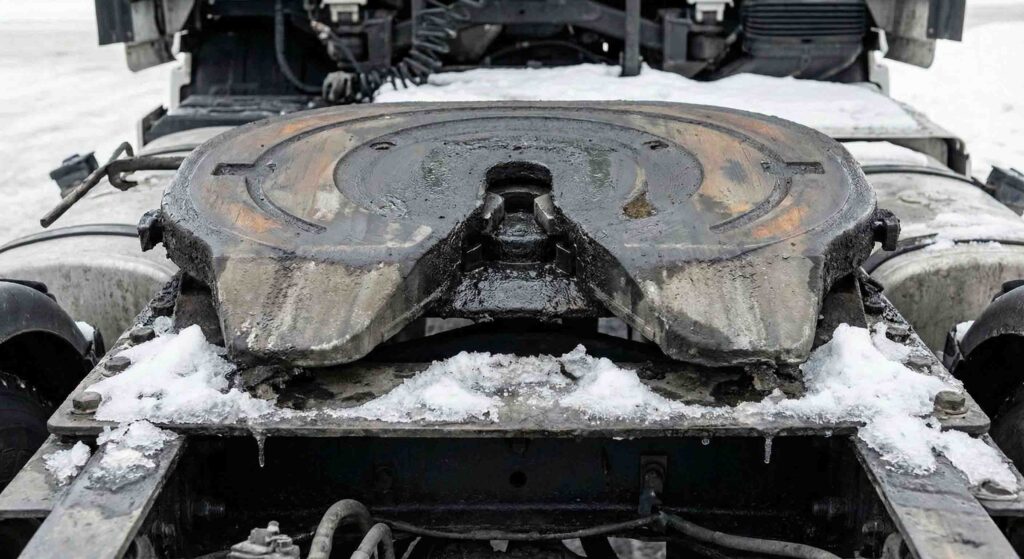
Jackknife accidents occur when a truck’s trailer swings out to the side, creating a dangerous V-shape or L-shape with the cab. This loss of control typically happens when the trailer’s wheels lock up or lose traction while the cab continues moving forward, causing the trailer to swing around the pivot point where it connects to the tractor.
Several factors commonly contribute to jackknife accidents on roads like Interstate 15 and Highway 76 near Fallbrook:
Improper Braking
The most common cause of jackknifing is improper or sudden braking, especially when the truck is carrying a heavy load or traveling on slippery roads. When a driver slams on the brakes, the trailer’s wheels can lock up while the cab’s momentum continues forward, causing the trailer to swing out. Modern air brake systems are designed to prevent this, but improper maintenance or driver error can override these safety features.
Excessive Speed
Trucks traveling too fast for road or weather conditions are at high risk of jackknifing. Speed limits exist for commercial trucks for good reason—when a fully loaded big rig weighing up to 80,000 pounds loses control, the kinetic energy involved is immense. On Highway 76’s curves or I-15’s downhill grades, excessive speed dramatically increases jackknife risk.
Poor Weather Conditions
Rain, fog, and even morning dew on California highways can create slippery conditions that reduce tire traction. When a truck’s trailer wheels lose grip on wet pavement while the driver brakes or turns, jackknifing becomes much more likely. This is particularly dangerous on stretches of I-15 between Fallbrook and Temecula, where morning fog is common.
Improper Loading
How cargo is loaded and distributed in a trailer directly affects the truck’s stability. Unevenly distributed weight, overloaded trailers, or improperly secured cargo can shift during transit, affecting the truck’s center of gravity and making it more prone to jackknifing. Federal regulations govern proper loading procedures, but not all trucking companies comply.
Equipment Failure
Brake system failures, worn tires, defective coupling mechanisms, or malfunctioning anti-lock braking systems (ABS) can all contribute to jackknife accidents. Trucking companies are required to maintain their vehicles according to strict federal standards, but cost-cutting measures often lead to deferred maintenance and dangerous equipment failures.
Driver Inexperience or Fatigue
Operating a commercial truck requires specialized skill, particularly in emergency situations. Inexperienced drivers may panic and brake improperly when faced with a hazard. Similarly, fatigued drivers have slower reaction times and may make poor decisions that lead to loss of control. Federal hours-of-service regulations exist to prevent driver fatigue, but violations are common in the industry.
When a large commercial truck jackknifes on a highway, the consequences extend far beyond the truck itself. The trailer often swings across multiple lanes of traffic, creating an unavoidable barrier that other vehicles slam into at highway speeds. In some cases, the jackknifed truck blocks the entire roadway, causing a chain-reaction collision involving numerous vehicles.
Common injuries in jackknife truck accidents include traumatic brain injuries from violent impacts, spinal cord injuries that may result in paralysis, multiple bone fractures and crush injuries, internal organ damage, severe lacerations and burns, and in the worst cases, fatal injuries. The sheer size and weight differential between a commercial truck and a passenger vehicle means that occupants of smaller vehicles bear the brunt of these collisions.
I recently worked with a Fallbrook family whose vehicle was struck by a jackknifing semi-truck on Interstate 15 near the Mission Road exit. The truck driver had been speeding in heavy traffic and attempted to brake suddenly when traffic slowed ahead. The trailer swung across three lanes, crushing the family’s SUV against the center divider. The resulting injuries were catastrophic, requiring months of hospitalization and ongoing rehabilitation. Through thorough investigation and aggressive litigation, we were able to demonstrate that both the driver’s negligence and the trucking company’s failure to properly train and supervise their drivers contributed to the crash.
Unlike typical car accidents where liability usually rests with one or two drivers, jackknife truck accidents often involve multiple potentially liable parties. Determining all responsible parties is crucial to ensuring you receive full compensation, as trucking companies often have much larger insurance policies than individual drivers.
The Truck Driver
The driver may be liable for negligence including speeding, improper braking, distracted driving, driving while fatigued, or failing to adjust speed for weather or road conditions. In California, commercial drivers are held to higher standards of care than regular motorists due to the specialized training required for their commercial driver’s license (CDL).
The Trucking Company
Under the legal doctrine of “respondeat superior,” trucking companies are vicariously liable for their employees’ actions during the course of employment. Additionally, companies may be directly liable for negligent hiring (hiring drivers with poor safety records), inadequate training (failing to properly train drivers in jackknife prevention), negligent supervision (not monitoring driver behavior or compliance with safety regulations), or pressuring drivers to violate hours-of-service regulations to meet unrealistic delivery schedules.
Cargo Loading Companies
If improper loading or securing of cargo contributed to the jackknife, the company responsible for loading the trailer may share liability. Federal regulations require cargo to be properly secured to prevent shifting during transport, and violations of these regulations can establish negligence.
Truck Maintenance Companies
If the jackknife resulted from equipment failure due to inadequate maintenance, the company responsible for servicing the truck may be liable. This includes both in-house maintenance departments and third-party repair facilities.
Truck or Parts Manufacturers
If a defective component (such as faulty brakes, defective tires, or malfunctioning coupling mechanisms) caused or contributed to the jackknife, the manufacturer may be held liable under product liability laws. These cases require expert analysis to identify manufacturing or design defects.
The trucking industry is heavily regulated by the Federal Motor Carrier Safety Administration (FMCSA), which establishes safety standards designed to prevent accidents like jackknifing. Violations of these regulations can provide strong evidence of negligence in your case.
Key regulations relevant to jackknife accidents include hours-of-service rules limiting how long drivers can operate without rest breaks, vehicle maintenance requirements mandating regular inspections and repairs, driver qualification standards ensuring drivers have proper training and safe driving records, cargo securement rules governing how loads must be distributed and secured, and brake system specifications requiring properly functioning braking systems including ABS.
When investigating a jackknife truck accident, experienced attorneys know to obtain the truck’s maintenance records, the driver’s logbook and electronic logging device (ELD) data, the trucking company’s safety ratings and inspection history, employment and training records, and cargo loading documentation. These documents often reveal violations that contributed to the crash and establish liability.
Modern commercial trucks are equipped with electronic control modules (ECMs), often called “black boxes,” that record crucial data about the truck’s operation in the moments before a crash. This data can be invaluable in proving what caused a jackknife accident.
The ECM typically records vehicle speed, braking activity, engine performance, cruise control usage, and whether safety systems like ABS were functioning. In jackknife cases, this data can prove whether the driver was speeding, braking improperly, or experiencing equipment malfunctions.
However, this data is not permanent—it can be overwritten as the truck continues operating after an accident. This is why it’s crucial to contact an attorney immediately after a jackknife accident. We can send a spoliation letter to the trucking company requiring them to preserve all electronic data, ensuring critical evidence isn’t lost.
Commercial trucks are required to carry much higher insurance coverage than passenger vehicles. Federal law mandates minimum coverage of $750,000 for most interstate trucks, and many carriers have policies worth $1 million or more. Some trucking companies carry umbrella policies providing coverage up to $5 million or higher.
This higher coverage exists because the potential for catastrophic damage in truck accidents is so much greater than in typical car crashes. However, these large insurance policies also mean that trucking companies and their insurers will fight aggressively to minimize or deny claims. They have teams of lawyers and investigators working to protect their interests from the moment an accident occurs.
Insurance companies often employ several tactics to reduce payouts in jackknife cases. They may claim the truck driver was an independent contractor rather than an employee to avoid company liability, argue that weather or road conditions were the primary cause rather than driver negligence, suggest that your injuries were pre-existing or not as severe as claimed, or pressure you to give recorded statements or accept quick settlements before you understand the full extent of your injuries.
This is why having experienced legal representation is essential. We know these tactics and how to counter them effectively.
If you’re involved in a jackknife truck accident, take these steps to protect yourself and strengthen your future claim:
Seek immediate medical attention, even if you feel fine. Some serious injuries don’t present immediate symptoms. Call 911 and ensure police respond to document the accident scene. If possible and safe, take photographs of the truck (including company name and DOT number), all vehicle positions, road conditions, weather conditions, and any visible cargo issues.
Obtain contact information from the truck driver including their name, CDL number, employer, and insurance information. Collect witness information from anyone who saw the accident or the truck’s behavior before the crash. Do not discuss fault with anyone at the scene except law enforcement. Do not sign anything provided by the trucking company or their insurance representatives.
Most importantly, contact an experienced truck accident attorney as soon as possible. We can immediately begin preserving evidence, including sending spoliation letters to preserve electronic data and conducting independent investigations before crucial evidence disappears.
Jackknife truck accident cases require extensive investigation and expert analysis. At Lathrop Law, our approach includes obtaining and analyzing all available evidence including police reports, witness statements, photographs and video footage, truck maintenance records and logbooks, driver employment and training records, and electronic control module data from the truck.
We work with qualified experts including accident reconstruction specialists, trucking industry experts, medical professionals, and economists to calculate future damages. We thoroughly investigate all potentially liable parties to ensure no responsible party escapes accountability. And we’re prepared to take your case to trial if insurance companies won’t offer fair compensation.
Trucking companies and their insurers count on victims being overwhelmed by the complexity of these cases and settling for far less than they deserve. We level the playing field by bringing the same level of resources and expertise they have to protect their interests.
Victims of jackknife truck accidents may be entitled to comprehensive compensation including all medical expenses (past and future), lost wages and reduced earning capacity, property damage, pain and suffering, emotional distress, disability and disfigurement, and loss of consortium for family members.
In cases involving particularly egregious conduct—such as trucking companies knowingly allowing unsafe trucks on the road or pressuring drivers to violate safety regulations—punitive damages may also be available to punish the wrongdoers and deter similar conduct in the future.
Given the severity of injuries typically sustained in jackknife accidents and the high insurance coverage commercial trucks carry, these cases often result in substantial settlements or verdicts. However, securing maximum compensation requires thorough preparation and aggressive advocacy.
While California gives you two years from the date of the accident to file a lawsuit, waiting even a few weeks can jeopardize your case. Evidence disappears, including electronic data being overwritten, accident scenes being altered, witnesses becoming harder to locate, and memories fading. Additionally, trucking companies will have their own investigators working immediately to build a defense against your claim.
The sooner you contact an attorney, the sooner we can begin protecting your rights and building the strongest possible case for maximum compensation.
Jackknife truck accidents are among the most serious collisions on our roads, often resulting in life-changing injuries or tragic losses. When trucking companies put profits ahead of safety, innocent people pay the price. You deserve justice and full compensation for your losses.
At Lathrop Law, we understand the complexities of commercial trucking cases and have the experience and resources to take on large trucking companies and their insurers. Whether you speak English or Spanish, we’re here to guide you through this difficult time and fight for the compensation you deserve.
Don’t let the trucking company’s insurance adjuster pressure you into accepting less than you’re owed. Contact us today for a free consultation. We work on a contingency fee basis—you pay nothing unless we recover compensation for you.
You’ve already suffered enough. Let us handle the legal fight while you focus on healing.