
 Contact Us Now
Contact Us Now
Contact Us NowTable of Contents
Few experiences are more frustrating and frightening than being the victim of a hit and run accident. You’re injured, your vehicle is damaged, and the person responsible has fled the scene—leaving you to deal with the aftermath alone. Hit and run accidents are unfortunately common in California, and Fallbrook is no exception. Whether it occurred on Highway 76, in a Pico Plaza parking lot, or on a residential street, these crashes create unique legal and practical challenges that require experienced guidance.
At Lathrop Law, I understand the anger and helplessness you feel when the at-fault driver disappears. While hit and run cases are more complex than typical accidents, California law provides several avenues for recovering compensation even when the responsible driver can’t be identified. Let me help you navigate this difficult situation and pursue every available option for compensation.
Hit and run accidents occur when a driver involved in a collision leaves the scene without stopping to exchange information, render aid, or report the accident to law enforcement. California Vehicle Code Section 20001 makes it a crime to leave the scene of an accident involving injury or death, and Section 20002 addresses property-damage-only hit and runs.
Despite serious criminal penalties—including potential jail time for injury hit and runs—these accidents remain disturbingly common. According to the California Office of Traffic Safety, hit and run crashes account for approximately 17% of all traffic collisions in the state. In San Diego County alone, there are thousands of reported hit and run accidents each year.
Fallbrook sees its share of these incidents, particularly on high-traffic corridors like Highway 76 and Interstate 15, in busy parking lots like those at Pico Plaza and downtown businesses, on residential streets where drivers speed through neighborhoods, and late at night when impaired or unlicensed drivers are more likely to flee rather than face consequences.
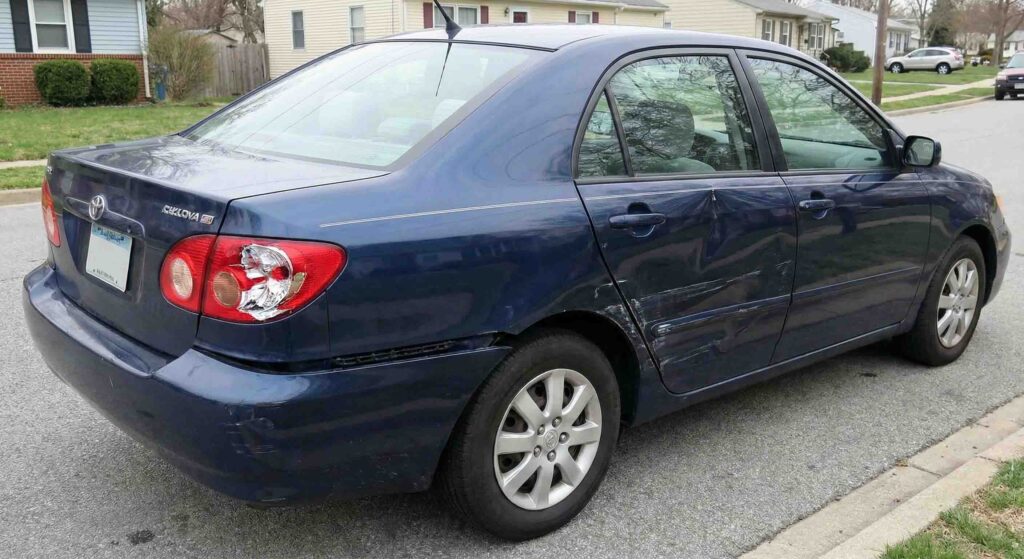
Understanding why drivers leave the scene helps explain the patterns we see in these cases and sometimes aids in identifying suspects. Common reasons drivers flee include:
Driving under the influence of alcohol or drugs and knowing they’ll face DUI charges if they stay. Many hit and run drivers return to the scene after they’ve sobered up, thinking this will help their case—it doesn’t.
Driving without a valid license, whether suspended, revoked, or never obtained. Unlicensed drivers fear deportation consequences or criminal charges for driving without a license, so they flee the accident scene.
Driving a stolen vehicle or having outstanding warrants. These drivers can’t afford any interaction with law enforcement, so they leave victims behind without a second thought.
Being uninsured or underinsured and fearing financial liability. While this seems like flawed reasoning—fleeing makes everything worse—panic drives poor decision-making.
Simply panicking, especially young or inexperienced drivers who make a terrible situation worse by fleeing rather than facing responsibility.
Whatever the reason, California law is clear: leaving the scene of an accident is illegal and compounds the original offense. Hit and run drivers face criminal prosecution separate from any civil liability for your injuries.
The steps you take in the minutes following a hit and run accident significantly impact your ability to recover compensation. Here’s what to do:
Stay Calm and Ensure Safety
If possible, move your vehicle to a safe location out of traffic. Turn on hazard lights. Check yourself and any passengers for injuries. Do not attempt to chase the fleeing driver—this puts you in danger and could result in additional accidents.
Call 911 Immediately
Report the hit and run to law enforcement right away. In Fallbrook, this typically means the San Diego County Sheriff’s Department will respond. Provide as many details as you can remember about the fleeing vehicle. Time is critical—police may be able to locate the vehicle if notified quickly enough.
Document Everything You Can Remember
While details are fresh, write down or record on your phone everything you remember about the other vehicle: make, model, color, year if possible, partial license plate number (even one or two digits helps), damage to the vehicle, direction the vehicle was traveling when it fled, and any description of the driver if you saw them.
Any detail, no matter how small it seems, could be the key to identifying the responsible driver.
Look for Witnesses and Surveillance Cameras
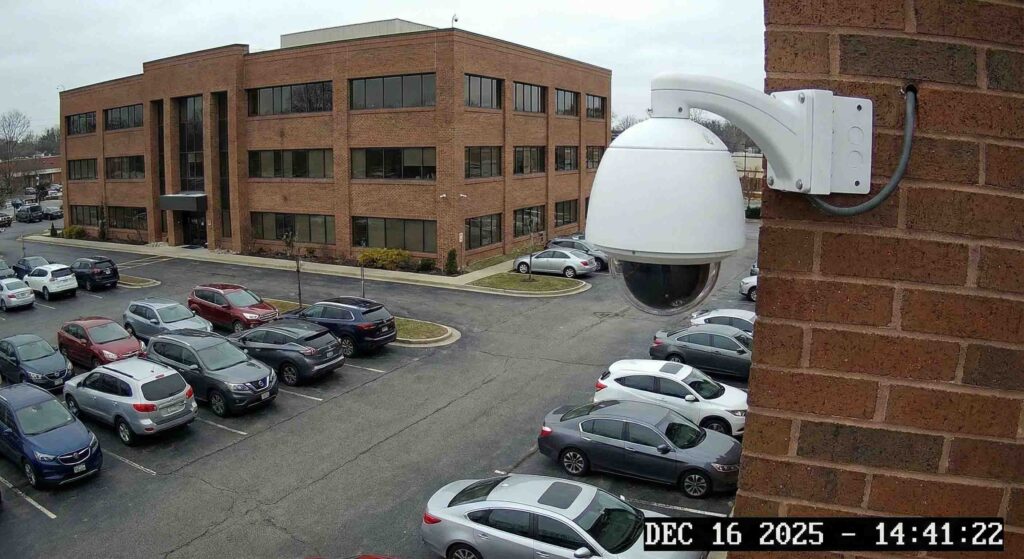
Ask anyone nearby if they saw the accident or the fleeing vehicle. Get contact information from anyone who witnessed the incident. Look around for businesses or homes with security cameras that might have captured the accident or the fleeing vehicle. In areas like Pico Plaza or downtown Fallbrook, many businesses have exterior cameras.
I’ve successfully identified hit and run drivers through surveillance footage from nearby businesses. In one case, a client was hit in a parking lot near Mission Road. We canvassed businesses within a quarter-mile radius and found footage that captured the suspect vehicle’s license plate as it fled. That evidence led to the driver’s identification and a successful insurance claim.
Photograph the Scene and Damage
Take photos of all vehicle damage from multiple angles, the accident scene including street signs and landmarks, any debris left by the fleeing vehicle (paint chips, broken parts), your injuries if visible, and anything else that documents what happened.
Seek Medical Attention
Even if you feel fine, get evaluated by a medical professional. Adrenaline masks pain, and some injuries don’t present immediate symptoms. Gaps in medical treatment give insurance companies ammunition to minimize your claim.
Report the Accident to Your Insurance Company
Notify your own insurance company about the hit and run as soon as possible. Your policy likely requires prompt reporting. This is necessary to potentially use your uninsured motorist coverage, which is often your primary source of compensation in hit and run cases.
Contact an Attorney Before Giving Detailed Statements
While you must report the accident to your insurance company, be cautious about giving recorded statements or accepting quick settlement offers. Your own insurance company may not have your best interests in mind—even though you’ve been paying premiums for years, they’re still focused on minimizing payouts.
This is one of the first questions victims ask, and the honest answer is: sometimes, but not always. Law enforcement investigates hit and run accidents, particularly those involving injuries, but the reality is that many hit and run drivers are never identified.
Factors that increase the likelihood of finding the responsible driver include witness testimony providing a description or license plate information, surveillance footage capturing the incident or the fleeing vehicle, physical evidence left at the scene (paint transfer, vehicle parts with VIN numbers), the suspect vehicle having significant damage that makes it identifiable, and the accident occurring during daylight hours when visibility is better.
In Fallbrook, the San Diego County Sheriff’s Department investigates hit and runs. They take these cases seriously, especially when injuries are involved. However, they have limited resources and must prioritize cases. An experienced attorney can sometimes conduct a parallel investigation using private investigators, surveillance footage analysis, and other resources that law enforcement may not have time to pursue.
Even when police cannot identify the driver immediately, they may locate them later if the suspect’s damaged vehicle is spotted or someone reports information. In California, there’s a statute of limitations for hit and run criminal charges (three years for felony hit and run, one year for misdemeanor), so investigations sometimes continue for extended periods.
The most challenging aspect of hit and run cases is recovering compensation when the at-fault driver cannot be identified. Fortunately, California law provides several potential sources of recovery:
Your Uninsured Motorist (UM) Coverage
This is typically your primary source of compensation in a hit and run case. Uninsured motorist coverage was specifically designed to protect you when you’re injured by a driver who cannot be identified or who doesn’t have insurance.
In California, all auto insurance policies are required to include UM coverage unless you specifically reject it in writing. Many people don’t realize they have this coverage or don’t fully understand what it provides. Your UM coverage can compensate you for medical expenses, lost wages, pain and suffering, and other damages—just as if you were pursuing a claim against the at-fault driver directly.
Important note: Your UM coverage limits are the maximum you can recover. For example, if you have $15,000 in UM coverage but suffer $50,000 in damages, you can only recover up to your policy limit. This is why I always recommend carrying UM coverage at the highest limits you can afford.
Underinsured Motorist (UIM) Coverage
If the hit and run driver is eventually identified but has inadequate insurance, your underinsured motorist coverage can make up the difference between their policy limits and your actual damages (up to your UIM coverage limits).
MedPay or Personal Injury Protection (PIP)
If you have Medical Payments coverage (MedPay) or Personal Injury Protection on your policy, these provide immediate payment for medical expenses regardless of who was at fault. These coverages pay out quickly and don’t require proving fault or identifying the other driver.
Health Insurance
Your health insurance should cover medical treatment for accident injuries. While this doesn’t compensate you for other damages like lost wages or pain and suffering, it ensures you receive necessary medical care while pursuing other avenues of recovery.
California Victim Compensation Program
For serious injury cases, California’s Victim Compensation Board may provide financial assistance for crime victims. Since hit and run is a crime, you may qualify for compensation to cover medical expenses, lost wages, and other costs. This is typically a last resort when other coverage isn’t available or sufficient.
One of the most frustrating aspects of hit and run cases is that you’re often forced to pursue compensation from your own insurance company through your UM coverage. Many people assume their insurance company will treat them fairly since they’ve been paying premiums faithfully. Unfortunately, this isn’t always the case.
Insurance companies—even your own—are businesses focused on minimizing claim payouts. They may employ several tactics to reduce what they pay on your UM claim:
They might question whether a hit and run actually occurred, suggesting you hit a stationary object and fabricated the story. They may argue your injuries aren’t as severe as claimed or were pre-existing. They might offer quick, lowball settlements hoping you’ll accept out of financial desperation. They may drag out the claims process hoping you’ll give up or settle for less. Or they might use your recorded statements against you to minimize the claim value.
This is why having an experienced attorney is crucial in hit and run cases. We know the tactics insurance companies use, and we know how to counter them effectively. We can also properly value your claim to ensure you’re not accepting far less than you deserve.

Sometimes hit and run drivers are identified days, weeks, or even months after the accident. This can happen through ongoing police investigation, tips from witnesses or the public, the suspect’s vehicle being spotted with damage, or the driver’s conscience leading them to come forward (rare, but it happens).
If the driver is found, you may have additional options for recovery:
Direct Claim Against the Driver’s Insurance
If the identified driver has liability insurance, you can pursue a claim against their policy. This may provide compensation beyond what your own UM coverage offers, particularly if your UM limits are low.
Civil Lawsuit Against the Driver Personally
You can sue the hit and run driver for damages. If they have assets or future earning capacity, a judgment can be collected over time. However, many hit and run drivers lack resources, which is often why they fled in the first place.
Criminal Restitution
If the driver is criminally prosecuted (which is likely in an injury hit and run), the court may order them to pay restitution as part of their sentence. This requires them to compensate you for damages, though collecting restitution can be challenging if the defendant lacks resources.
Punitive Damages
Because fleeing the scene demonstrates reckless disregard for others’ safety, you may be entitled to punitive damages beyond compensatory damages. These damages punish the wrongdoer and deter similar conduct. California doesn’t cap punitive damages in hit and run cases.
Even if the driver is found later, your UM claim with your own insurance company can proceed simultaneously. You’re not required to wait for the criminal case to resolve before pursuing compensation through your own coverage.
California’s statute of limitations for personal injury claims is two years from the date of the accident. This applies to both claims against identified at-fault drivers and UM claims with your own insurance company when the driver can’t be identified.
However, insurance policies also typically have their own reporting deadlines. You’re usually required to report a hit and run accident to your insurance company “promptly” or “within a reasonable time.” Waiting months to report can give your insurer grounds to deny coverage.
Don’t delay in seeking legal representation after a hit and run. The sooner we can begin investigating, preserving evidence, and pursuing your claim, the stronger your case will be.
Hit and run cases are among the most complex personal injury claims because they involve multiple layers of investigation, insurance coverage analysis, and legal strategy. An experienced attorney provides crucial advantages:
We can conduct independent investigations to identify the responsible driver, including hiring private investigators, analyzing surveillance footage, canvassing for witnesses, and working with law enforcement.
We thoroughly analyze all available insurance coverage—yours and potentially the at-fault driver’s if identified—to maximize recovery. We know how to properly document and present your claim to your UM carrier to counter their tactics and secure fair compensation. If necessary, we’re prepared to file a lawsuit against your own insurance company when they refuse to pay what you’re owed.
We can coordinate with police investigations and criminal proceedings if the driver is identified. And we ensure all deadlines are met and your rights are protected throughout the process.
Many hit and run victims try to handle these claims themselves, only to discover too late that they’ve made statements or decisions that damaged their case. Insurance companies take advantage of unrepresented claimants. Having an attorney levels the playing field.
While you can’t prevent being the victim of a hit and run, you can take steps to protect yourself financially if it happens:
Review your auto insurance policy and ensure you have adequate uninsured motorist coverage—at least $100,000 per person is recommended, higher if you can afford it. Consider adding MedPay or PIP coverage for immediate medical expense coverage. Install a dashcam in your vehicle to record accidents and capture fleeing vehicles. Keep a pen and paper in your vehicle to quickly note details if an accident occurs.
The small investment in higher UM coverage can make an enormous difference if you’re ever the victim of a hit and run.
If you’ve been injured in a hit and run accident in Fallbrook or anywhere in North San Diego County, don’t face this challenge alone. Whether the responsible driver has been identified or remains unknown, you have legal options for recovering compensation.
At Lathrop Law, I have experience handling complex hit and run cases and fighting insurance companies—including our own clients’ insurers—to secure fair compensation. As a bilingual attorney, I can assist you in English or Spanish, ensuring nothing is lost in translation when it comes to protecting your rights.
Don’t let the at-fault driver’s decision to flee the scene compound your losses by leaving you without compensation. Contact us today for a free consultation. We work on a contingency fee basis—you pay nothing unless we recover compensation for you.
You’ve already suffered enough because someone else chose to run. Let us fight to make this right.