
 Contact Us Now
Contact Us Now
Contact Us NowTable of Contents
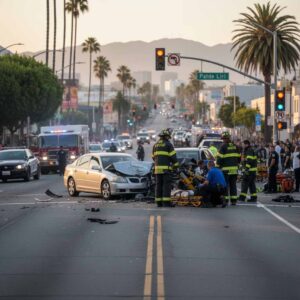
Head-on collisions are the most devastating type of car accident, often resulting in catastrophic injuries or death. When two vehicles traveling in opposite directions collide front-to-front, the combined force of both vehicles’ speeds creates impacts far more severe than other collision types. On Fallbrook’s winding roads like Highway 76 and Old Highway 395, the risk of head-on collisions is particularly acute due to curves, hills, and areas where opposing traffic lanes are separated only by painted lines or narrow medians.
If you or a loved one has been injured or killed in a head-on collision in Fallbrook or anywhere in North San Diego County, you need an attorney who understands the unique complexities of these catastrophic cases. At Lathrop Law, I have experience handling the most serious injury and wrongful death cases, and I know what it takes to recover maximum compensation when lives are forever changed or lost.
Head-on collisions represent only about 2% of all traffic accidents but account for approximately 10% of all traffic fatalities—a disproportionate death rate that reflects the extreme forces involved in these crashes. When two vehicles collide head-on, the impact force equals the combined speeds of both vehicles. A vehicle traveling 50 mph that collides head-on with another vehicle traveling 50 mph experiences impact forces equivalent to hitting a solid wall at 100 mph.
The physics of head-on collisions are unforgiving. Modern vehicles are designed with crumple zones that absorb energy in frontal impacts, but there are limits to how much force these safety features can handle. In high-speed head-on collisions, the passenger compartment itself may be compromised, crushing or trapping occupants. Airbags and seatbelts save lives in many head-on crashes, but they can’t overcome the enormous kinetic energy involved in the most severe collisions.
Additionally, head-on collisions often occur on rural highways and two-lane roads where emergency response times are longer than in urban areas. The combination of severe injuries and delayed medical treatment contributes to the high fatality rate in these accidents.
Understanding what causes head-on collisions helps establish liability and may prevent future tragedies. The most common causes include:
Distracted Driving
Distraction is a leading cause of head-on collisions. A driver who glances at their phone for just a few seconds can drift across the center line into oncoming traffic. On roads like Highway 76 with curves and narrow lanes, even momentary inattention can have deadly consequences. Texting, phone calls, adjusting GPS or entertainment systems, eating, dealing with passengers, and any other attention-diverting activity dramatically increases head-on collision risk.
Drunk or Impaired Driving
Alcohol and drugs impair judgment, slow reaction times, and affect motor control—a deadly combination that frequently results in drivers crossing into oncoming traffic. Impaired drivers may misjudge curves, fail to notice they’ve drifted over the center line, or even drive the wrong way on divided highways. Late-night and weekend head-on collisions in Fallbrook, particularly on roads connecting to Temecula wine country, often involve impaired drivers.
Wrong-Way Driving
Wrong-way drivers—those entering highways or roads in the wrong direction—cause some of the most catastrophic head-on collisions. This can happen when confused or impaired drivers enter exit ramps or turn onto divided highways against traffic flow. While less common than other causes, wrong-way collisions are almost always severe because they typically occur at high speeds with neither driver able to take evasive action quickly enough.
Drowsy Driving
Fatigued drivers may fall asleep at the wheel or enter “microsleep” states where they’re unconscious for seconds at a time. A vehicle traveling 60 mph covers 88 feet per second—in just three seconds of microsleep, the vehicle travels 264 feet, more than enough to drift into oncoming traffic on a two-lane road. Commercial truck drivers on Interstate 15 near Fallbrook who violate hours-of-service regulations pose particular risks for drowsy driving head-on collisions.
Speeding and Aggressive Driving
Excessive speed reduces the time drivers have to react to curves, road conditions, or other hazards. Aggressive drivers who pass illegally in no-passing zones create head-on collision risks for oncoming traffic. On Highway 76’s winding sections, drivers who take curves too fast may lose control and cross into oncoming lanes, while those who attempt to pass slower vehicles around blind curves may find themselves facing oncoming traffic with nowhere to go.
Adverse Weather Conditions
Rain, fog, or smoke can reduce visibility and make roads slippery, increasing the likelihood that drivers will lose control and cross center lines. Morning fog in Fallbrook, particularly in agricultural areas and along Interstate 15 between Fallbrook and Temecula, creates conditions where drivers suddenly encounter vehicles in their lane with insufficient time to react. Drivers who fail to reduce speed and increase following distance for conditions are more likely to cause head-on collisions.
Road Design and Maintenance Issues
Some head-on collisions result from dangerous road conditions including inadequate signage warning of curves or hazards, faded or missing center line markings, inadequate lighting at night, road surface defects causing loss of control, or poor intersection design creating confusion about traffic flow. When government entities responsible for road maintenance fail to address known hazards, they may share liability for resulting head-on collisions.
Medical Emergencies
Occasionally, head-on collisions result from drivers suffering medical emergencies like heart attacks, strokes, or seizures that cause them to lose control. While drivers aren’t typically liable for accidents caused by sudden, unforeseeable medical emergencies, they may be liable if they knew or should have known about medical conditions that made driving unsafe.
The extreme forces involved in head-on collisions frequently result in life-altering or fatal injuries. Common injuries include:
Traumatic Brain Injuries
The violent deceleration in head-on collisions causes the brain to strike the inside of the skull, resulting in traumatic brain injuries ranging from concussions to severe brain damage. TBIs can cause permanent cognitive impairment, personality changes, memory loss, difficulty with motor skills and coordination, chronic headaches and sensitivity to light and sound, and in the most severe cases, coma or persistent vegetative state. These injuries often require lifetime medical care and dramatically reduce quality of life.
Spinal Cord Injuries and Paralysis
The impact forces in head-on collisions can fracture vertebrae and damage the spinal cord, potentially resulting in partial or complete paralysis. Paraplegia (paralysis of the lower body) or quadriplegia (paralysis of all four limbs) are devastating injuries that require extensive medical intervention, adaptive equipment, home modifications, and lifetime care. The economic and non-economic damages in spinal cord injury cases often reach into millions of dollars.
Multiple Bone Fractures
Head-on collision victims frequently suffer multiple broken bones including skull fractures, facial bone fractures, rib fractures that may puncture lungs or other organs, pelvic fractures, femur (thighbone) fractures, and compound fractures where bones pierce the skin. Complex fractures may require multiple surgeries, extended recovery periods, and can result in permanent limitations or chronic pain.
Internal Organ Damage
Blunt force trauma in head-on collisions can damage internal organs including ruptured spleens or livers causing internal bleeding, collapsed or punctured lungs, kidney damage, and damage to the heart or major blood vessels. These injuries are medical emergencies requiring immediate surgical intervention and can be fatal if not treated rapidly.
Severe Burns
When head-on collisions result in vehicle fires, occupants may suffer severe burns requiring extensive treatment including multiple surgeries, skin grafts, and rehabilitation. Burn injuries often result in permanent scarring and disfigurement with profound psychological impacts.
Amputation or Crush Injuries
The most severe head-on collisions can crush the front of vehicles into the passenger compartment, causing crush injuries or traumatic amputations. These devastating injuries require extensive medical treatment and permanently alter victims’ lives, often requiring prosthetics, long-term rehabilitation, and significant lifestyle adaptations.
I represented a Fallbrook family whose teenage daughter was killed in a head-on collision on Highway 76 when a drunk driver crossed the center line and struck her vehicle. The other driver survived with minor injuries while this promising young woman’s life was cut short. No amount of money can compensate for such a loss, but through a wrongful death claim, we recovered $2.3 million that helped her family with funeral expenses, counseling, and provided some measure of financial security. More importantly, the case resulted in the drunk driver facing serious criminal consequences and losing his license permanently.
Establishing liability in head-on collisions typically focuses on proving which driver crossed the center line or otherwise entered the opposing lane. While this seems straightforward, insurance companies still dispute liability when possible.
Critical Evidence
Evidence crucial to proving liability in head-on collisions includes police reports documenting officer observations and conclusions about fault, physical evidence such as skid marks, vehicle debris fields, and final vehicle positions, damage patterns on vehicles showing impact points and angles, witness testimony from people who saw the accident or the at-fault driver’s behavior before the collision, electronic data from vehicle event data recorders (“black boxes”), toxicology reports proving alcohol or drug impairment, cell phone records showing texting or calling at the time of the accident, and accident reconstruction expert testimony analyzing the physical evidence to determine how the collision occurred.
In head-on collision cases, time is critical for evidence preservation. Skid marks fade, debris is cleared, and memories become less precise. We immediately begin investigating these cases to ensure crucial evidence is preserved and documented.
Negligence Per Se
Many actions that cause head-on collisions violate specific traffic laws, establishing “negligence per se”—meaning the violation itself proves negligence without requiring additional evidence. Violations that commonly cause head-on collisions include driving under the influence (Vehicle Code Section 23152), crossing double yellow lines in no-passing zones (Vehicle Code Section 21460), wrong-way driving on divided highways, reckless driving (Vehicle Code Section 23103), and speeding in excess of posted limits.
When we can prove the at-fault driver violated one of these laws, it dramatically strengthens liability arguments and often leads to more favorable settlements or verdicts.
While head-on collisions usually involve clear liability for the driver who crossed into oncoming traffic, some cases involve multiple potentially liable parties:
Employers of At-Fault Drivers
If the at-fault driver was operating a commercial vehicle or was on company business at the time of the collision, their employer may be vicariously liable under the legal doctrine of “respondeat superior.” This is crucial because commercial vehicles typically have much higher insurance coverage than personal vehicles, and companies often have substantial assets beyond insurance that can satisfy judgments.
Alcohol Providers
California’s dram shop laws hold bars, restaurants, and other alcohol providers liable if they serve obviously intoxicated patrons who then cause accidents. If a drunk driver caused a head-on collision, we investigate whether any establishment overserved them before they got behind the wheel. Similarly, social hosts who serve alcohol to minors who then cause accidents may share liability under California law.
Vehicle Manufacturers
If a vehicle defect contributed to causing the head-on collision—such as steering defects, brake failures, or tire blowouts—the manufacturer may be liable under product liability laws. These cases require expert analysis to identify defects and prove they caused or contributed to the accident.
Government Entities
If dangerous road conditions contributed to the head-on collision, the government entity responsible for maintaining the road may share liability. This includes inadequate signage, missing or faded road markings, poor visibility from overgrown vegetation, defective traffic signals, or negligent road design. Claims against government entities must be filed within six months under California’s Government Claims Act, so immediate legal consultation is essential.
Head-on collision cases require thorough investigation to build the strongest possible case for maximum recovery. Our investigation process includes visiting and documenting the accident scene before evidence disappears, obtaining and analyzing police reports and 911 recordings, interviewing witnesses while memories are fresh, working with accident reconstruction experts to analyze physical evidence, obtaining cell phone records and electronic data from vehicles, investigating the at-fault driver’s history including prior DUIs, traffic violations, or accidents, requesting toxicology reports proving impairment, and identifying all potentially liable parties and applicable insurance coverage.
This comprehensive investigation often reveals evidence that significantly increases case value or identifies additional liable parties with insurance coverage or assets.
Given the severity of injuries in head-on collisions, damages often reach into hundreds of thousands or millions of dollars. Recoverable damages include:
Economic Damages
All past and future medical expenses including emergency treatment, hospitalization, surgeries, rehabilitation, medical equipment, home modifications for disabilities, and lifetime medical care for permanent injuries. Lost income and reduced earning capacity when injuries prevent returning to previous employment. The cost of hiring help for household tasks the injured person can no longer perform. And any other documented financial losses resulting from the accident.
Non-Economic Damages
Physical pain and suffering from injuries and their treatment. Emotional distress including anxiety, depression, and PTSD. Loss of enjoyment of life when injuries prevent activities the victim previously enjoyed. Disfigurement and scarring affecting appearance and self-esteem. Loss of consortium compensating spouses for loss of companionship, intimacy, and support. And disability or permanent impairment affecting daily functioning.
California doesn’t cap non-economic damages in personal injury cases (unlike medical malpractice cases), so these damages can be substantial in cases involving permanent, life-altering injuries.
Punitive Damages
When head-on collisions result from drunk driving, reckless driving, or other egregious conduct showing conscious disregard for others’ safety, punitive damages may be available. These damages punish the wrongdoer and deter similar conduct in the future. California doesn’t cap punitive damages in personal injury cases, and awards can be substantial in cases involving particularly outrageous conduct.
When head-on collisions result in death, surviving family members can pursue wrongful death claims to recover compensation for their loss. Wrongful death damages include funeral and burial expenses, lost financial support the deceased would have provided, loss of household services the deceased performed, loss of companionship, love, and guidance, and the pain and suffering the deceased experienced before death.
California law allows specific family members to bring wrongful death claims including surviving spouses, domestic partners, children, and in some cases, other dependents. These cases are among the most emotionally difficult we handle, but helping families secure financial stability and hold wrongdoers accountable provides some measure of justice after devastating loss.
Despite the obvious severity of head-on collision injuries, insurance companies still employ tactics to minimize payouts. They may argue comparative negligence claiming you shared fault, dispute the extent of injuries claiming they’re not as severe as you claim, challenge future medical expenses arguing you don’t need ongoing care, pressure for quick settlements before you understand the full extent of permanent injuries, or offer policy limits quickly in cases where damages far exceed available insurance.
Never accept settlement offers in serious injury cases without consulting an attorney. What seems like a lot of money initially often proves inadequate when you face years or decades of ongoing medical needs, lost earning capacity, and diminished quality of life.
While California gives you two years from the date of an accident (or from the date of death in wrongful death cases) to file a lawsuit, waiting even weeks can jeopardize your case. Critical evidence disappears including physical evidence at the scene, electronic data that may be overwritten, and witnesses whose memories fade or who become harder to locate. Additionally, if government entities share liability, you have only six months to file administrative claims.
Most importantly, insurance companies begin building their defense immediately after head-on collisions. They send investigators to the scene, interview witnesses, and develop strategies to minimize liability or damages. You need an attorney working just as quickly to protect your interests.
Head-on collision cases are among the most complex personal injury claims due to the severity of injuries requiring extensive medical expert testimony, multiple potentially liable parties with various insurance policies, significant economic damages requiring calculation of lifetime medical costs and lost earning capacity, sophisticated defense strategies from insurance companies, and the likelihood of trial when insurance companies won’t offer adequate settlements.
An experienced attorney provides crucial advantages including immediate investigation to preserve crucial evidence, relationships with medical experts, accident reconstructionists, and economists, experience accurately valuing catastrophic injury and wrongful death claims, knowledge of how to present these cases effectively to juries, and the willingness and ability to take cases to trial when necessary.
Insurance companies approach cases differently when they know you have an attorney with trial experience and a track record of success in catastrophic injury cases. Their settlement offers reflect this difference.
Certain aspects of Fallbrook’s geography and roads create unique considerations in head-on collision cases:
Highway 76
As the main route through Fallbrook, Highway 76’s winding sections create head-on collision risks particularly where the road narrows, curves sharply, or has limited visibility. Cases involving Highway 76 may require analysis of whether road design, signage, or maintenance issues contributed to the collision.
Old Highway 395
This older roadway has numerous curves and intersections where visibility can be limited. Head-on collisions on Old 395 often involve questions about whether vegetation, inadequate signage, or poor lighting contributed to the accident.
Rural Roads
Many Fallbrook roads pass through agricultural areas with limited lighting, narrow lanes, and curves. Head-on collisions on these rural roads may involve longer emergency response times that affect injury severity and survival rates.
Interstate 15
While Interstate 15 is divided with barriers preventing most head-on collisions, wrong-way drivers occasionally cause catastrophic head-on crashes. These cases often involve questions about highway design, signage, and how the wrong-way driver entered the highway against traffic.
The aftermath of a serious head-on collision or the loss of a loved one in such a crash is overwhelming. Between medical treatment, emotional trauma, financial pressures, and uncertainty about the future, victims and families face enormous challenges.
Legal representation provides crucial support during this difficult time. We handle all aspects of your claim while you focus on medical recovery or grieving your loss. We deal with insurance companies, gather evidence, consult with experts, and fight for the compensation you deserve. Most importantly, we ensure your voice is heard and your rights are protected.
If you or a loved one has been injured or killed in a head-on collision in Fallbrook or anywhere in North San Diego County, you need an attorney with experience handling the most serious personal injury and wrongful death cases. At Lathrop Law, I understand the life-changing impact of catastrophic injuries and the devastating loss families experience in fatal accidents.
I have the experience, resources, and commitment to fight for maximum compensation in head-on collision cases, whether that means negotiating the best possible settlement or taking your case to trial. As a bilingual attorney, I can assist you in English or Spanish, ensuring you fully understand the legal process and your options every step of the way.
Don’t face this difficult time alone. Contact us today for a free consultation. We work on a contingency fee basis—you pay nothing unless we recover compensation for you.
Head-on collisions change lives forever. Let me help you secure the compensation and justice you and your family deserve.