Rebuilding After Wildfires in Los Angeles County
Wildfires have wreaked havoc on countless homes and businesses across Los Angeles County, leaving property owners struggling to...
Read more

 Contact Us Now

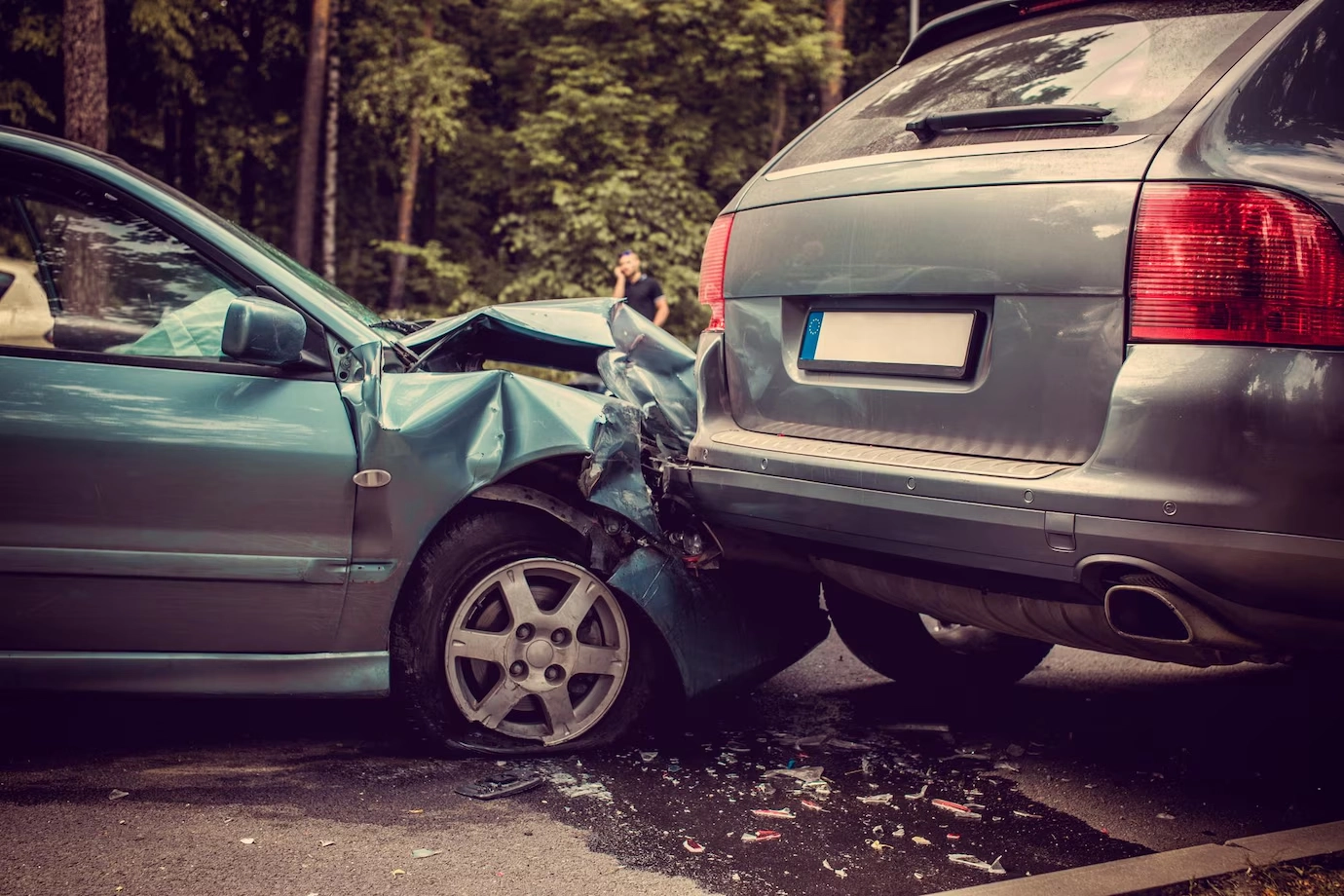
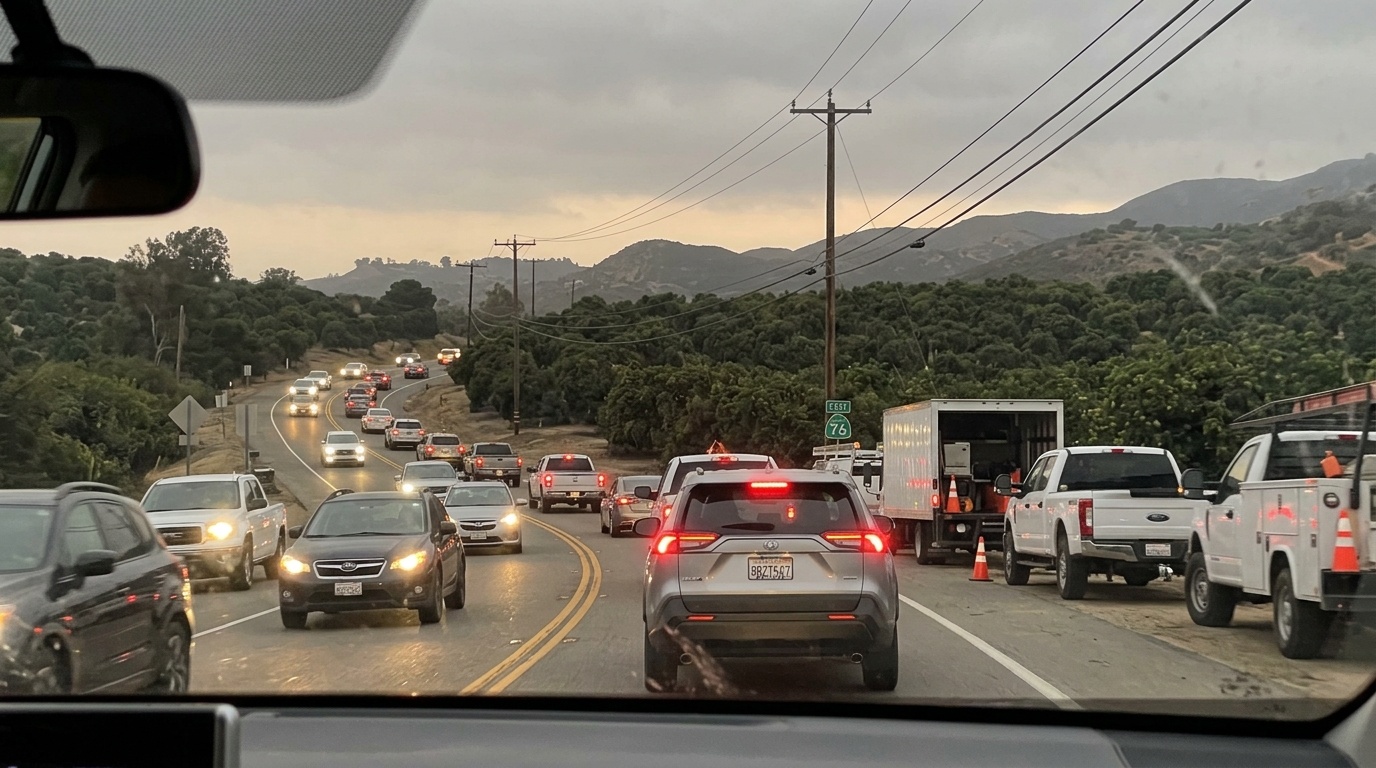
Lane change accidents happen in an instant but can change your life forever. You’re driving along Highway 76 during evening rush hour when suddenly another driver swerves into your lane without warning, causing a collision that leaves you with injuries and a damaged vehicle. In my experience as a Fallbrook personal injury attorney, these accidents are among the most preventable yet frequently contested types of collisions I see.
California law places specific duties on drivers when changing lanes, but insurance companies often try to blame both drivers or minimize the clear fault of the negligent lane-changer. Understanding your rights and the legal framework surrounding lane change accidents is crucial for protecting yourself after these dangerous collisions.
Lane change accidents occur when drivers fail to exercise proper caution while moving between lanes of traffic. The most frequent causes I encounter in Fallbrook include:
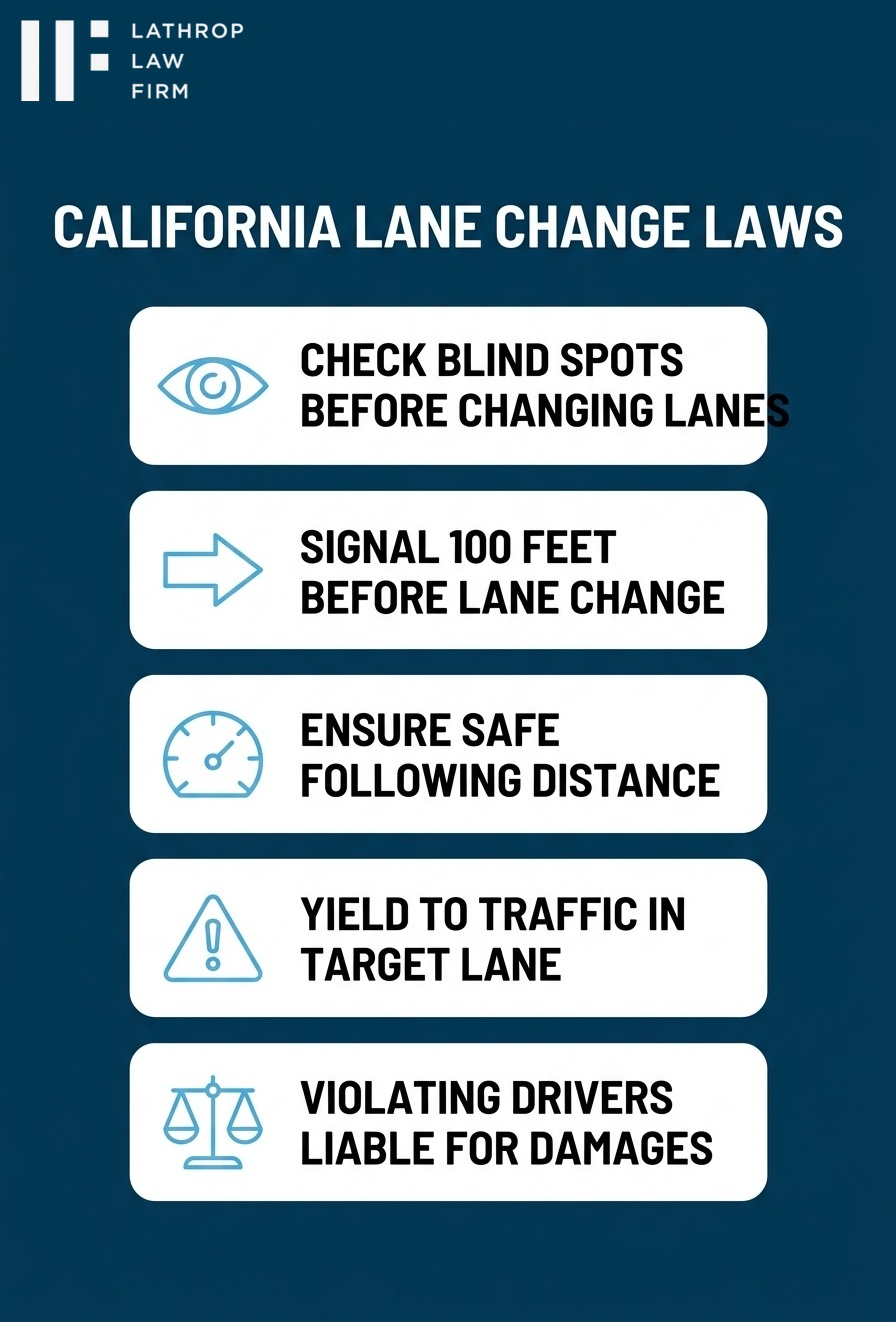
Failure to Check Blind Spots
Every vehicle has blind spots where other cars, motorcycles, or cyclists may not be visible in mirrors. Drivers who fail to physically turn and check these areas before changing lanes often strike vehicles they never saw coming. This is particularly dangerous on Old Highway 395 where the hilly terrain can create additional visibility challenges.
Improper Signaling or No Signal
California Vehicle Code Section 22108 requires drivers to signal their intention to change lanes for at least 100 feet before making the maneuver. Many drivers either fail to signal at all or signal just as they begin moving, giving other drivers no time to react. On busy stretches like Mission Road through downtown Fallbrook, proper signaling is essential for preventing collisions.
Aggressive Driving and Road Rage
Some drivers change lanes aggressively, cutting off other vehicles or weaving between lanes at high speeds. This reckless behavior violates California Vehicle Code Section 23103 and often results in serious accidents, particularly during heavy commute traffic on Highway 76.
Distracted Driving
Drivers using cell phones, adjusting GPS devices, or otherwise distracted may drift into adjacent lanes without realizing it. Texting while driving accidents frequently involve lane departures that cause sideswipe collisions.
California has specific statutes that govern how and when drivers may change lanes. Understanding these laws helps establish liability in lane change accidents:
Vehicle Code Section 21658: Lane Use Requirements
This section requires vehicles to be driven as nearly as practical entirely within a single lane and prohibits moving from that lane until the driver has first ascertained that the movement can be made with reasonable safety.
Vehicle Code Section 22107: Turning and Signaling
Before making any turning movement or lane change, drivers must give an appropriate signal continuously during the last 100 feet traveled before turning, except when the turn is made at a speed of 10 miles per hour or less.
Vehicle Code Section 21750: Overtaking and Passing
When overtaking and passing another vehicle, the overtaking vehicle must pass to the left at a safe distance and must not return to the right-hand side of the roadway until safely clear of the overtaken vehicle.
Violation of any of these statutes establishes negligence per se, meaning the violation itself proves negligence without requiring additional evidence of carelessness.
Determining fault in lane change accidents requires careful analysis of the specific circumstances. Generally, the driver changing lanes bears the burden of ensuring the maneuver can be completed safely. However, multiple factors can affect liability:
Primary Fault: The Lane-Changing Driver
In most cases, the driver changing lanes is primarily at fault because they have the duty to ensure the lane change can be made safely. This includes checking blind spots, signaling properly, and yielding to traffic already in the target lane.
Comparative Fault Scenarios
Sometimes both drivers share responsibility. For example, if the lane-changing driver failed to signal but the other driver was speeding or driving aggressively, California’s comparative negligence law may assign partial fault to both parties. Under Civil Code 1431.2, each party’s recovery is reduced by their percentage of fault.
Situations Where the Non-Changing Driver May Be at Fault
Rare circumstances where the driver who didn’t change lanes might bear primary responsibility include cases where they were speeding excessively, driving in another driver’s blind spot for an extended period, or engaging in aggressive driving behavior that prevented a safe lane change.
Consider a situation where a driver changing lanes on South Mission Road near the Fallbrook Community Center causes a sideswipe collision. The victim might suffer whiplash injuries requiring months of physical therapy, along with property damage to their vehicle. California law entitles this victim to compensation for medical expenses, lost wages, pain and suffering, and vehicle repair costs.
Common injuries from these collisions include:
Head and Neck Injuries
The sudden lateral force of a sideswipe collision can cause severe whiplash, cervical spine injuries, and traumatic brain injuries. These injuries may not manifest symptoms immediately but can cause chronic pain and disability.
Spinal Cord Injuries
High-speed lane change accidents can result in herniated discs, spinal fractures, and even paralysis in severe cases. These catastrophic injury cases require extensive medical treatment and long-term care.
Internal Injuries
The impact from lane change accidents can cause internal bleeding, organ damage, and broken ribs. These injuries are particularly dangerous because they may not be immediately apparent but can be life-threatening without prompt medical treatment.
Psychological Trauma
Many accident victims experience post-traumatic stress disorder, anxiety about driving, and depression following serious lane change accidents. California law recognizes these psychological injuries as compensable damages.
Building a strong case requires comprehensive evidence collection immediately after the accident. Critical evidence includes:
Traffic Camera Footage
Many intersections along Mission Road and Highway 76 have traffic cameras that may capture lane change accidents. This footage can provide definitive proof of how the accident occurred and which driver was at fault.
Witness Statements
Eyewitness testimony from other drivers, passengers, or pedestrians can corroborate your version of events. Witnesses are most helpful when they saw the moments leading up to the lane change, not just the impact itself.
Physical Evidence
The location and pattern of vehicle damage can reveal important details about the accident. Sideswipe damage on the front quarter panel of one vehicle and rear quarter panel of another suggests different fault scenarios than other damage patterns.
Police Reports
The San Diego County Sheriff’s Department responds to accidents in Fallbrook and creates official reports that include officer observations, statements from involved parties, and preliminary fault determinations. These reports carry significant weight with insurance companies.
Insurance companies often employ specific tactics to minimize payouts in lane change accident claims:
Claiming Mutual Fault
Even when their insured clearly caused the accident by changing lanes unsafely, insurers often argue that both drivers share responsibility. They may claim you were speeding, following too closely, or should have been more defensive.
Questioning the Severity of Impact
Sideswipe collisions are sometimes characterized as “minor” or “glancing” contacts that shouldn’t cause serious injuries. This ignores the fact that even seemingly minor lane change accidents can cause significant soft tissue injuries and psychological trauma.
Disputing Medical Treatment
Insurers may argue that your injuries are pre-existing, unrelated to the accident, or that you’re receiving unnecessary medical care. Having proper medical documentation from immediately after the accident is crucial for countering these arguments.
Understanding these tactics helps you prepare for the claims process and avoid saying anything that might harm your case. I always advise my clients to let me handle all communication with insurance companies from the beginning.
Taking the right steps immediately after a lane change accident can significantly strengthen your case:
Ensure Safety First
Move to a safe location if possible and call 911 immediately. Even if injuries seem minor, having an official police report is crucial for your insurance claim.
Document Everything
Take photos of vehicle damage, the accident scene, traffic conditions, and any visible injuries. Note the exact location, weather conditions, and time of day.
Gather Information
Collect insurance information, driver’s license numbers, and contact details from all parties involved. Get contact information from witnesses who saw the accident occur.
Seek Medical Attention
Visit Palomar Medical Center Escondido or another medical facility for evaluation, even if you don’t feel injured immediately. Adrenaline can mask injury symptoms, and having medical records from the day of the accident strengthens your case.
Avoid Admitting Fault
Do not apologize or make statements about who caused the accident. Stick to factual observations about what happened and let the investigation determine fault.
Lane change accidents often involve complex liability questions and aggressive insurance company tactics that require experienced legal representation. Insurance companies know that most people don’t understand California traffic laws or their rights after an accident, and they exploit this knowledge gap to minimize settlements.
I have handled numerous car accident cases throughout Fallbrook and North San Diego County, and I understand how to build strong cases that hold negligent drivers accountable. California law allows up to two years from the date of the accident to file a personal injury lawsuit under Code of Civil Procedure Section 335.1, but starting your case early allows for better evidence preservation and witness interviews.
Consider a situation where a driver improperly changes lanes near the intersection of East Alvarado Street and Stage Coach Lane in Fallbrook, striking a motorcyclist. The victim suffers road rash, a broken arm, and traumatic brain injury requiring emergency surgery. Under California law, this victim is entitled to compensation for all medical expenses, lost wages during recovery, pain and suffering, and future medical care related to the brain injury.
As a bilingual attorney, I can assist you in English or Spanish, ensuring you fully understand your rights and the legal process. I work on a contingency fee basis, which means you pay no attorney fees unless I recover compensation for you.
If you’ve been injured in a lane change accident in Fallbrook, don’t let insurance companies minimize your claim or shift blame onto you for someone else’s negligence. Lane change accidents are often entirely preventable, and California law provides strong protections for victims of these dangerous collisions.
I understand the physical, emotional, and financial toll these accidents take on victims and their families. From my office in Fallbrook, I serve clients throughout North San Diego County who have been injured due to other drivers’ negligence. Contact my office today for a free consultation to discuss your case and learn about your legal options.
Don’t wait to protect your rights. The insurance company is already working to minimize your claim. You need an experienced advocate on your side who knows how to fight for the full compensation you deserve under California law. Hablo español para su conveniencia.